
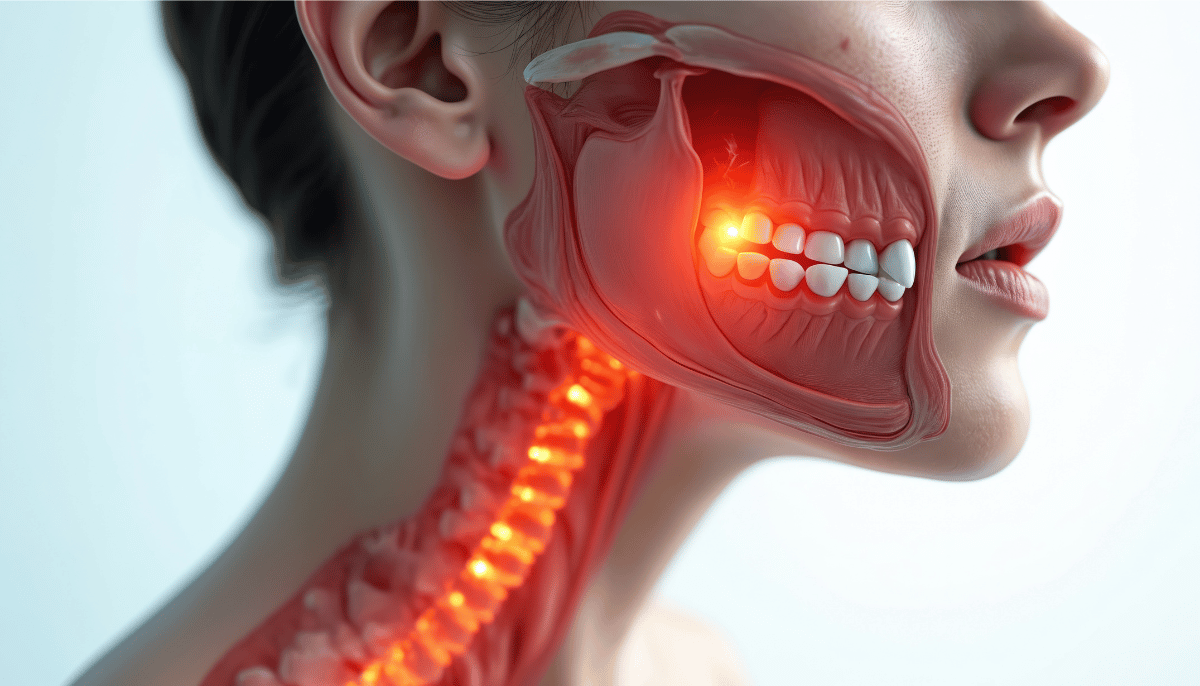
If you’ve ever experienced jaw tightness, headaches, or stiffness in your neck and shoulders, you may have wondered where the pain is really coming from. Temporomandibular joint (TMJ) disorders and neck pain often overlap, making it difficult to identify the true source of discomfort. In many cases, the symptoms are interconnected, and one condition can even contribute to the other.
At Bethesda Physiocare, we frequently help patients untangle the relationship between jaw dysfunction and neck pain so they can get the right treatment and lasting relief. Understanding the difference between TMJ-related pain and neck pain is the first step toward recovery. Call us now at (301) 656-5613, or visit our website.
What Is TMJ Disorder?
The temporomandibular joints connect your jawbone to your skull, allowing you to chew, speak, yawn, and move your mouth comfortably. TMJ disorder, often called TMD, occurs when these joints or the surrounding muscles become irritated, inflamed, or dysfunctional.
Common causes of TMJ dysfunction include:
- Teeth grinding or clenching
- Stress and muscle tension
- Jaw injury or trauma
- Arthritis
- Poor posture
- Misaligned bite mechanics
TMJ disorders can create symptoms far beyond the jaw itself, which is why they are often mistaken for other conditions.
What Does TMJ Pain Feel Like?
TMJ-related discomfort usually centers around the jaw and face, but symptoms may spread into nearby muscles and nerves.
Common signs of TMJ dysfunction include:
- Jaw pain or tenderness
- Clicking, popping, or grinding sounds when opening the mouth
- Difficulty chewing
- Jaw locking or limited mouth opening
- Ear pain or ringing in the ears
- Facial tension or pressure
- Headaches near the temples
- Pain that worsens while chewing or talking
Many patients with TMJ dysfunction also report neck tightness and shoulder discomfort because the muscles of the jaw and neck work closely together.
What Does Neck Pain Feel Like?
Neck pain generally originates from muscles, joints, discs, nerves, or posture-related strain in the cervical spine. Unlike TMJ pain, neck pain often becomes more noticeable with head movement or prolonged positioning.
Common symptoms of neck pain include:
- Stiffness when turning the head
- Pain at the base of the skull
- Shoulder or upper back tension
- Muscle spasms
- Limited neck mobility
- Tingling or numbness in the arms
- Pain after prolonged computer or phone use
Neck pain frequently develops from poor posture, repetitive strain, stress, injuries, or degenerative changes in the spine.
How TMJ and Neck Pain Are Connected
One reason these conditions are difficult to distinguish is because the jaw and neck are biomechanically linked. The muscles controlling jaw movement attach into the neck and skull, meaning dysfunction in one area can trigger compensation in another.
For example:
- Forward head posture places excessive strain on both the neck and jaw muscles.
- Jaw clenching may increase tension throughout the neck and shoulders.
- Neck instability can alter jaw mechanics and increase TMJ irritation.
This connection is why patients often experience both conditions simultaneously.
Key Differences Between TMJ Pain and Neck Pain
While symptoms overlap, a few clues can help determine which issue is more dominant.
Your pain may be more TMJ-related if:
- Symptoms increase when chewing, yawning, or clenching
- You hear jaw clicking or popping
- You feel tenderness around the jaw joints
- Headaches are concentrated around the temples or face
Your pain may be more neck-related if:
- Symptoms worsen after sitting at a desk
- Turning your head increases discomfort
- You feel stiffness down the back of the neck
- Pain radiates into the shoulders or arms
However, because both areas influence one another, a professional assessment is often necessary to identify the root cause accurately.
How Physical Therapy Can Help
At Bethesda Physiocare, our approach focuses on identifying the underlying mechanical dysfunction contributing to your symptoms. Rather than masking pain temporarily, physical therapy addresses movement patterns, muscle imbalances, posture, and joint restrictions.
Treatment may include:
- Manual therapy for the jaw and cervical spine
- Postural correction strategies
- Dry needling or soft tissue release
- Jaw mobility exercises
- Neck stabilization exercises
- Stress-reduction and relaxation techniques
- Ergonomic recommendations
Many patients are surprised to learn that improving neck posture can significantly reduce TMJ symptoms — and vice versa.
When to Seek Professional Help
You should consider an evaluation if you experience:
- Persistent jaw or neck pain lasting more than a few weeks
- Frequent headaches
- Jaw locking or difficulty chewing
- Pain that interferes with sleep or daily activities
- Neck stiffness accompanied by numbness or weakness
Early treatment can help prevent chronic tension patterns and long-term dysfunction.
Find Relief at Bethesda Physiocare
If you’re unsure whether your symptoms stem from TMJ dysfunction, neck pain, or both, a comprehensive physical therapy evaluation can provide answers. At Bethesda Physiocare, we create individualized treatment plans designed to reduce pain, restore movement, and improve overall function.
Whether your discomfort begins in the jaw, neck, or shoulders, our team is here to help you return to daily activities with greater comfort and confidence. Call us today at (301) 656-5613!