
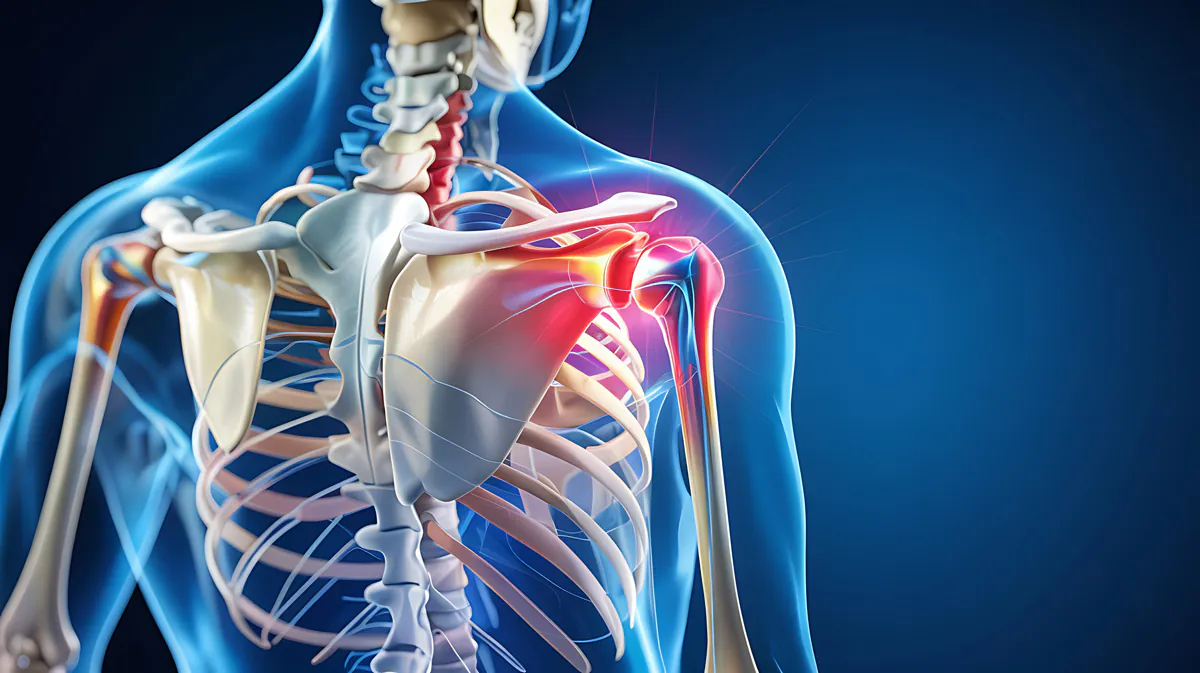
Rotator cuff surgery is a major step toward recovering shoulder strength, mobility, and pain relief. But healing doesn’t stop after surgery — the work continues. A proper recovery plan led by a skilled physical therapist can make all the difference in preventing re-injury and helping you return to your daily activities safely. At Bethesda Physiocare, we specialize in post-surgical rehabilitation designed to protect your shoulder and keep it healthy for years to come. Call us today at (301) 656-5613 to start your recovery journey.
Why Re-Injury Happens
Even after successful rotator cuff surgery, the shoulder remains susceptible to setbacks if the proper recovery steps aren’t followed. Common causes of re-injury include:
- Returning to activity too soon
- Skipping rehabilitation exercises
- Poor shoulder mechanics
- Weak muscles around the shoulder joint
A physical therapist can guide you through a recovery plan that addresses these risks. This helps ensure your shoulder heals fully and reduces the chance of needing surgery again.
The Role of a Physical Therapist in Recovery
A physical therapist plays a key role in helping patients recover after rotator cuff surgery. Their work is not just about restoring strength — it’s about retraining your shoulder to move safely. Here’s what a physical therapist does after surgery:
1. Assessing Shoulder Health
Before starting therapy, your physical therapist will examine your shoulder to understand its current condition, range of motion, and muscle strength. This assessment helps create a tailored rehabilitation plan.
2. Designing a Personalized Exercise Program
No two shoulders heal the same way. Your physical therapist will create exercises specifically suited to your recovery stage and surgical procedure. These exercises focus on strengthening the rotator cuff muscles, improving flexibility, and stabilizing the shoulder joint.
3. Correcting Movement Patterns
Poor motor patterns that have developed due to long-term compensations can cause strain and slow recovery. A physical therapist teaches proper movement techniques to reduce stress on the healing tissue and prevent re-injury.
4. Monitoring Progress
Recovery after rotator cuff surgery is gradual. Your physical therapist monitors your progress and adjusts your program as needed, ensuring you regain strength safely without overloading your shoulder.
Stages of Physical Therapy After Rotator Cuff Surgery
Physical therapy after rotator cuff surgery is divided into several phases. A physical therapist ensures you progress safely through each stage.
Phase 1 — Protection and Gentle Movement
In the first few weeks after surgery, your shoulder needs rest. Your physical therapist will focus on reducing pain and swelling while guiding you through gentle passive movements. These exercises keep the joint flexible without stressing the healing tendon.
Phase 2 — Strengthening and Range of Motion
Once your shoulder starts healing, your physical therapist will add active exercises. These help restore your range of motion and build strength in the rotator cuff and surrounding muscles. Bethesda Physiocare specializes in the use of Blood Flow Restriction Training (BFR) during this stage. BFR allows for the gain of strength using low loads that otherwise would not be sufficient for muscle hypertrophy.
Phase 3 — Functional Training
At this stage, your physical therapist focuses on exercises that prepare you to return to daily activities. This may include lifting, reaching, and sports-specific movements. Your physical therapist ensures your shoulder moves correctly to prevent re-injury.
Phase 4 — Maintenance and Prevention
Even after formal therapy ends, your physical therapist will give you a long-term plan to keep your shoulder strong. This plan often includes home exercises and tips for safe shoulder use.
Benefits of Physical Therapy for Rotator Cuff Surgery Recovery
Working with a physical therapist after rotator cuff surgery offers many advantages, including:
- Faster Recovery: Structured therapy helps your shoulder heal more quickly and safely.
- Improved Strength: Targeted exercises restore muscle strength around the shoulder joint.
- Better Flexibility: Your physical therapist improves shoulder movement to prevent stiffness.
- Injury Prevention: Correct movement patterns and muscle balance reduce the risk of re-injury.
- Pain Management: Physical therapy reduces post-surgical pain without over-relying on medication.
How to Maximize Your Recovery
Here are some tips your physical therapist may recommend to support recovery and prevent re-injury after rotator cuff surgery:
- Follow Your Therapy Plan: Stick to the exercise routine designed for you. Skipping sessions slows recovery.
- Practice Proper Movement: Use correct posture and body mechanics in daily activities.
- Avoid Overuse: Give your shoulder time to heal before returning to heavy lifting or sports.
- Communicate with Your Therapist: Let your physical therapist know if you feel pain or discomfort.
- Stay Consistent: Recovery takes time. Consistent effort with your exercises is key to success.
When to Seek Help
If you experience sudden shoulder pain, swelling, or weakness after surgery, contact your physical therapist immediately. Early intervention can prevent a minor issue from turning into a serious injury. Bethesda Physiocare’s team is always ready to help you address concerns and keep your recovery on track.
Physical Therapist in Bethesda
Recovering from rotator cuff surgery takes dedication, time, and the guidance of a skilled physical therapist. Physical therapy not only helps you regain shoulder strength and mobility but also plays a crucial role in preventing re-injury. At Bethesda Physiocare, we specialize in personalized rehabilitation plans designed to keep your shoulder healthy and strong long after surgery.
Don’t risk re-injury — call Bethesda Physiocare at (301) 656-5613 today and take the first step toward a safe, strong recovery. Your shoulder deserves expert care, and our team is here to help every step of the way.